
Everything you need to know about
TM44 Inspections
TM44 Inspections
All of our TM44 Inspections are carried out by fully qualified Level 3 & 4 TM44 Air Conditioning Energy Assessors that are CRB/DBS checked where required.
We offer an independent, non-bias service meaning that all of our reports will provide you genuine ways to save costs on energy without costing your business a small fortune.
1st Call Surveys can take ownership of projects and building portfolios, focusing on solutions and delivering successful outcomes ensuring that your business or portfolio is up to date and compliant with the latest TM44 Regulations for another five years.
What happens during a TM44 Inspection?
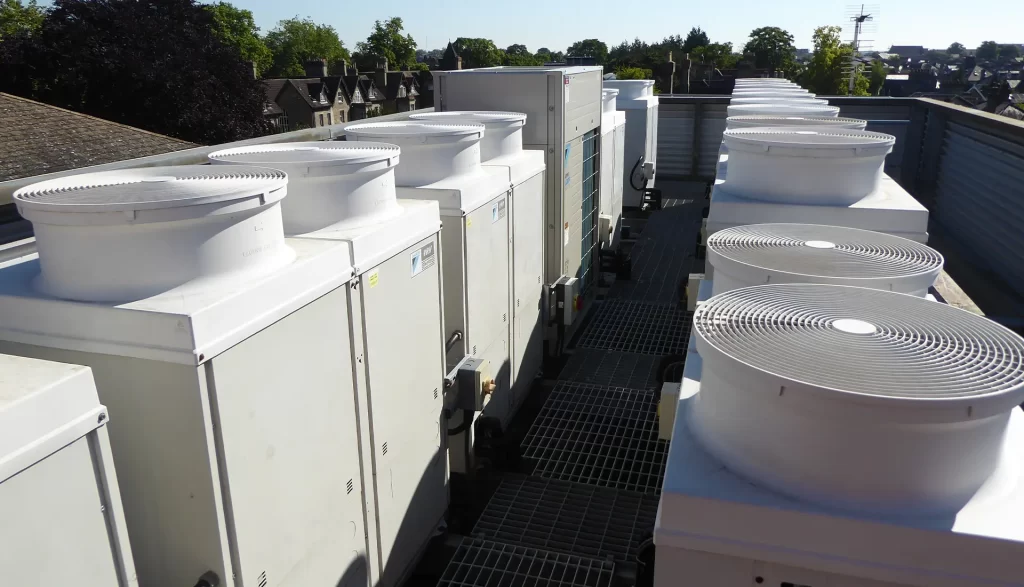
The 1st Call Surveys Energy Assessor will examine the refrigeration and air movement equipment that are part of the premises air conditioning systems and their controls. They will also examine any documentation that helps to understand the systems, or indicates the extent to which the systems have been maintained.
Our Energy Assessor is also required to estimate whether the system is suitably sized for the cooling loads in the treated spaces, and to provide advice on ways in which the performance of the system might be improved.
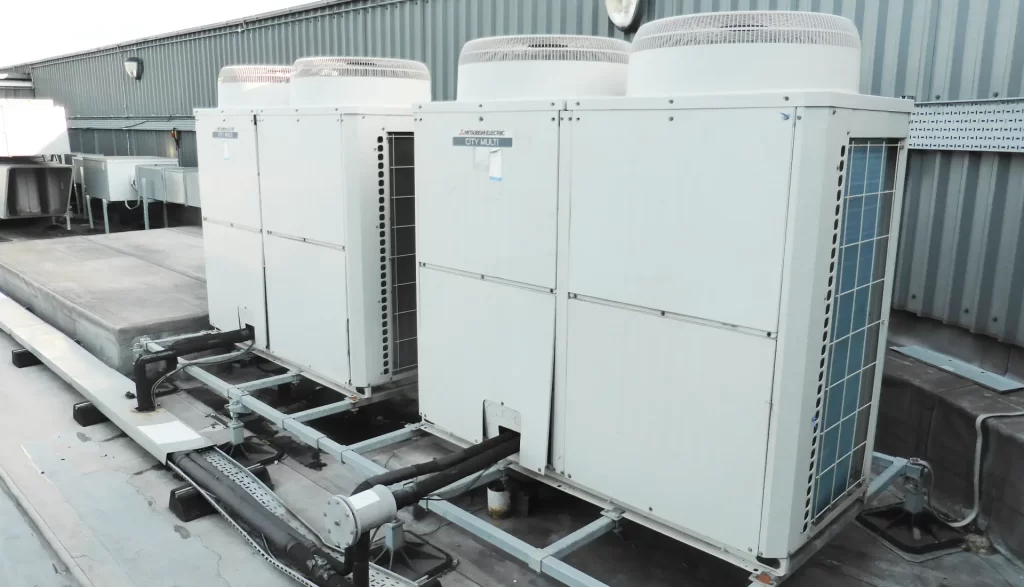
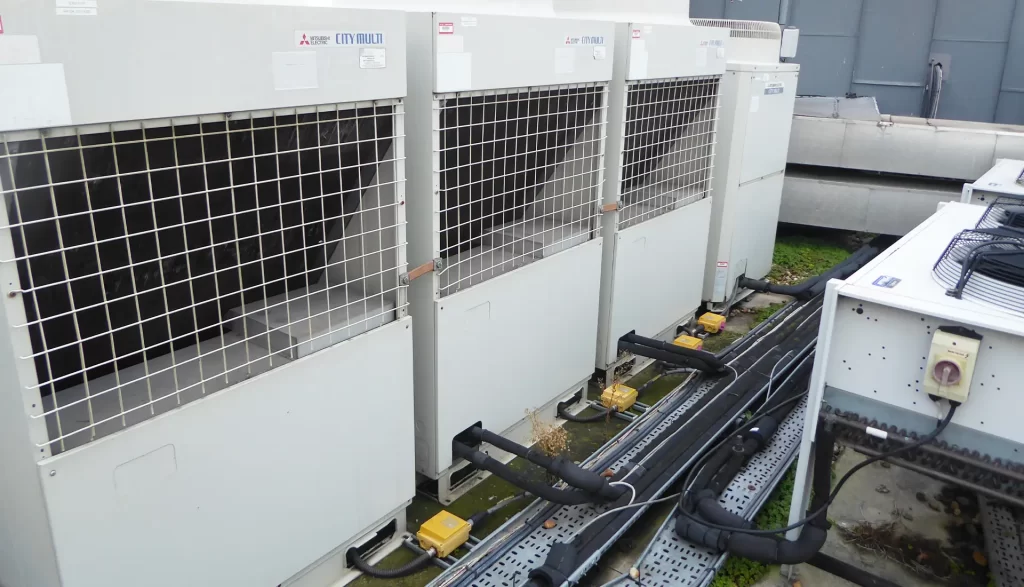
Access will be required to equipment that may be located in plant rooms, or outside the building, including rooftops or other locations with limited provision for access.
What happens after a TM44 Inspection?
Once the Air Conditioning Energy Assessor has completed the TM44 Inspection, our client, depending on the type of air conditioning equipment, will receive a Level 3 or Level 4 TM44 Air Conditioning Report & Certificate which has been lodged on the Landmark Registry. The report will highlight measures which will have the potential to save energy and money for your premises or organisation.
TM44 Air Conditioning Inspection reports remain valid for five years, after which the air conditioning system will require another TM44 Inspection carried out.
ISO
Accreditation
1st Call Surveys are finding that more and more businesses are now requiring a TM44 Inspection to comply with ISO 14001 requirements.
If you are ISO accredited the penalties can be more severe than just a fine as failure to provide a TM44 Certificate that has been completed by an accredited assessor can result in your ISO being at risk.
Quality Assurance Auditors can simply look on the Landmark Registry to check your business is compliant and that the TM44 Report & Certificate exists.
Feel free to contact us if you want further information on this subject.
FAQ
Why are TM44 air conditioning inspections required?
Having your air-conditioning system inspected by an Energy Assessor is designed to improve efficiency and reduce the electricity consumption, operating costs and carbon emissions for your system. Energy inspections will highlight improvements to the operation of your existing systems or opportunities to replace older, less energy efficient systems or oversized systems with new energy efficient systems. As the replacement of refrigerant is restricted in older systems (as established under other legislation), there is an additional incentive to improve or replace older systems with more modern energy efficient units.
Building owners and managers who control air-conditioning systems have statutory obligations and duties of care in the operation and maintenance of air-conditioning systems. Inspection, maintenance and cleaning programmes maintain the ability of the system to provide healthy and comfortable environments for building occupants, limiting the escape of refrigerant gases and ensuring the safety of equipment.
When are air conditioning inspections required?
All air-conditioning systems with an effective rated output of more than 12kw must be regularly inspected by an Energy Assessor. The inspections must be a maximum of five years apart. The regulations require the first inspection of the affected air-conditioning systems to be carried out as follows:
- for all systems first put into service on or after 1 January 2008, the first inspection must have taken place within five years of the date when it was first put into service
- for other air-conditioning systems, where the effective rated output is more than 250kW the first inspection must happen by 4 January 2009
- for other air-conditioning systems, where the effective rated output is more than 12kW the first inspection must happen by 4 January 2011.
From 4 January 2011, if the person in control of the air-conditioning system changes and the new person in control is not given an inspection report, the new person in control of the system must ensure the air-conditioning system is inspected within three months of the day that person assumes control of the system.
What systems require an air conditioning inspection?
Only air-conditioning systems with an effective rated output of more than 12kW are affected by these regulations. The effective rated output is the maximum calorific output in kW stated by the manufacturer of the system as deliverable during continuous operation while complying with the useful efficiency indicated by the manufacturer.
What are the penalties for not having an air conditioning inspection report?
Local authorities (usually by their Trading Standards Officers) are responsible for enforcing the requirements relating to air-conditioning inspection reports. Failure to commission, keep, or provide an air-conditioning inspection report when required by the Regulations means you may be issued with a penalty charge notice. Trading Standards Officers may act on complaints or undertake investigations. They may request you to provide them with a copy of your air-conditioning inspection report. If asked, you must provide this information within seven days of the request or be liable to a penalty charge notice for failing to do so. A copy of an air-conditioning inspection report can be requested by an enforcement officer at any time up to six months after the last day for compliance with the obligation to make it available.
The penalty for failing to having an air-conditioning inspection report is fixed at present at £300. If you are issued with a penalty charge notice and you believe it should not have been issued you can request a review. If you are not satisfied with the outcome of the review you may appeal to the county court within 28 days after you are given notice confirming the penalty charge notice from the local authority. If you want to sell or let a building with an air-conditioning system which should have been inspected, then it is very likely that the legal advisor’s to the potential tenant or buyer will require sight of the report during the legal processes prior to exchange of contracts. Failure to have a report where one is required may have a negative impact on the transaction process.